Most People Start Dropshipping Wrong. Here’s Why.
Most people who try to start dropshipping give up within the first month. Not because the business model is broken, but because they followed advice that skipped the hard parts.
They picked a random niche. Grabbed any supplier they found. Launched a store. Waited. Nothing happened.
The real issue is that most guides on how to start dropshipping focus on the exciting parts and gloss over what actually matters – supplier reliability, product-market fit, and traffic that converts.
This article covers the steps that work. Choosing the right niche. Finding a supplier who won’t let you down. Building a store that sells. Getting your first order. Keeping it going.
Quick Answer
Dropshipping fails because most beginners pick bad niches and unreliable suppliers. To fix it: find a niche with real demand, connect with a vetted supplier, build a clean store, and drive targeted traffic from day one. Most people see results when they stop guessing and start with data.
What Is Dropshipping and How Does It Actually Work
Why Most People Get This Wrong
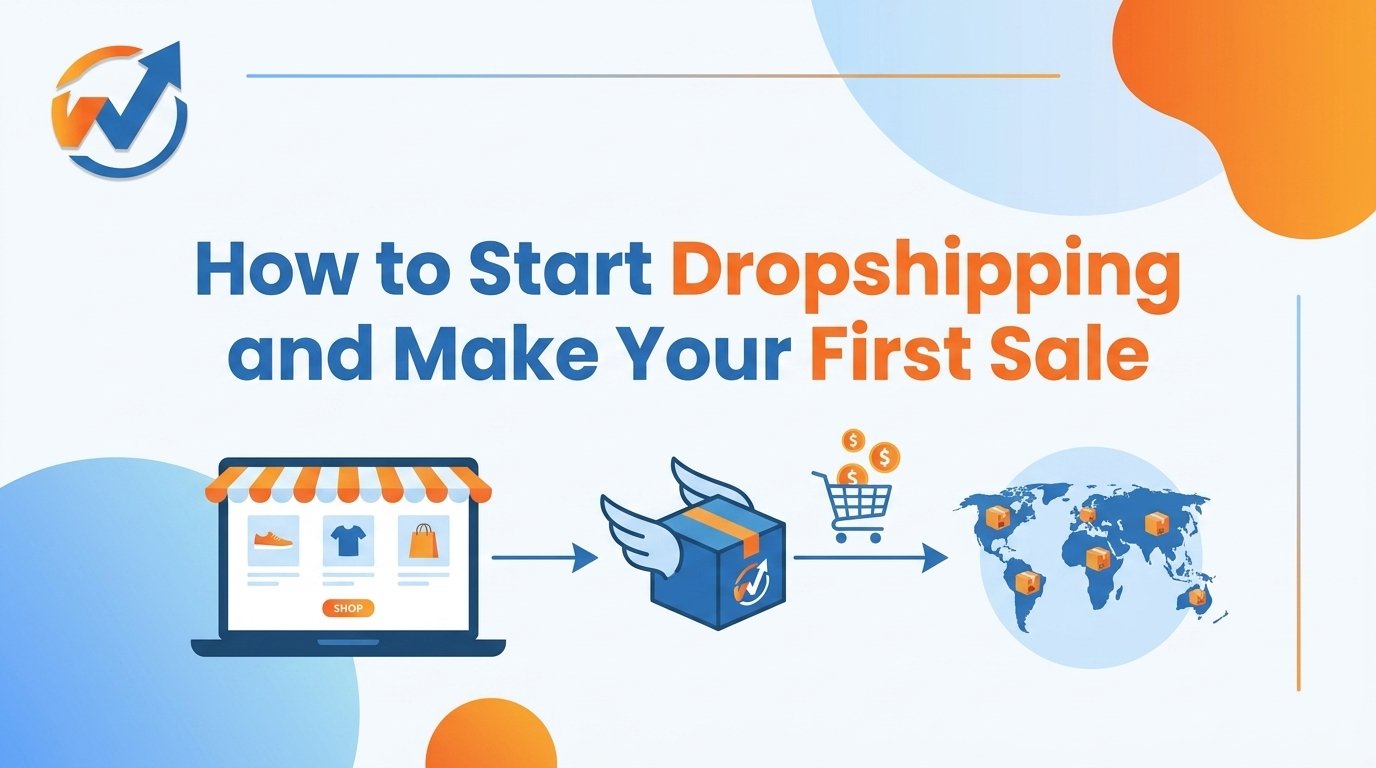
Most people hear “no inventory, no warehouse, easy money” and jump in without understanding the model. Dropshipping is when you sell products online without holding stock. When a customer buys from your store, you order from a supplier, who ships directly to the customer.
You keep the difference between your price and the supplier’s price. That’s your profit.
The catch? You’re the middleman. You handle customer service, marketing, and refunds – even though you never touch the product.
The Fix
Before you do anything else, get this mental model right:
- You are a marketer first, not a shop owner.
- Your job is to find buyers, not manage stock.
- Your profit lives in the gap between what you charge and what your supplier charges.
Once that clicks, every decision after it makes more sense.
Result
You stop treating drop shipping like a passive income shortcut. You start treating it like a real business. That shift alone puts you ahead of most beginners.
Also Read This: Zendrop vs Spocket: Which One Actually Works for Your Store?
How to Pick a Niche That Actually Sells
Why It Happens
This is where most beginners waste money. They pick a niche they personally love, or they chase whatever is trending right now. Both approaches burn through budgets fast.
A niche that’s too broad means you’re up against major retailers. Too narrow means there aren’t enough buyers. A trending niche often dies before your store is even live.
The Fix
Use data, not gut feeling.
- Open Google Trends and search your niche idea. Look for steady interest over 12 months – not a single spike.
- Check best-seller lists on major retail platforms. If something sells well there, demand is real.
- Focus on products priced between $30 and $150. Too cheap kills your margins. Too expensive slows buying decisions.
- Look for active Facebook groups, subreddits, or YouTube channels around the niche. If people talk about it online, they buy it.
Common Mistakes:
- Picking a niche based on personal interest rather than buyer demand.
- Chasing gadgets or fashion without checking supplier consistency first.
Result
You enter a market with real buyers, healthy margins, and enough room to compete without wasting your ad budget on the wrong audience.
How to Find a Dropshipping Supplier You Can Actually Trust
Why It Happens
Bad suppliers are the number one silent killer of dropshipping stores. Orders ship late. Products arrive damaged. Tracking numbers don’t work. Your customer blames you – because to them, you are the store.
Most beginners find a supplier through a quick search and go with whoever looks professional. That’s not enough.
The Fix
- Start with established supplier directories. AliExpress, Spocket, SaleHoo, and CJ Dropshipping are all widely used. Each has different strengths – AliExpress has volume, Spocket focuses on faster shipping.
- Order a test product before listing it. Check the packaging, shipping time, and quality yourself.
- Look at reviews from other sellers, not just customer reviews. Seller feedback reveals real reliability.
- Ask the supplier directly: what’s the average shipping time? Do you provide tracking? What’s the return policy? If they can’t answer clearly, move on.
Common Mistakes:
- Never ordering a test product before selling it.
- Choosing a supplier based on price alone.
Result
You catch problems before your customers do. Your store builds trust instead of collecting refund requests and chargebacks.
How to Set Up Your Dropshipping Store the Right Way
Why It Happens
Many beginners spend weeks on store design and forget that a pretty store with no trust signals doesn’t convert. Visitors leave fast if they don’t feel safe buying.
The other trap is launching with 200 products and hoping something sticks. That’s not a strategy.
The Fix
- Use Shopify or WooCommerce. Both work well for drop shipping. Shopify is faster to set up. WooCommerce gives more control if you already use WordPress.
- Start with 10 to 20 products. Focus beats volume every time.
- Write descriptions that explain benefits, not just features. “Stays cold for 12 hours” beats “stainless steel insulated bottle.”
- Add trust signals: a clear return policy, a contact page, real product photos, and customer reviews where possible.
- Keep checkout simple. Every extra step loses a buyer.
Pro Tip: Install a free heatmap tool like Hotjar after launch. It shows you exactly where visitors drop off.
Result
You get a store that looks trustworthy and makes it easy to buy. That combination is what actually turns visitors into customers.
How to Make Money Dropshipping: Getting Your First Sale
Why It Happens
Most beginners launch a store and do nothing to drive traffic. They assume search engines will find them. They won’t – not quickly. Organic SEO takes months. You need a faster path to your first sale.
The other trap is spending on ads with no targeting plan. That’s just burning money.
The Fix
- Start with organic traffic. Post in niche Facebook groups, Reddit communities, or forums where your buyers already hang out. Don’t spam – add value, then include your link where it fits.
- Run a small paid ad test. Set a tight daily budget – $5 to $10. Target a specific audience, not a broad one. One product, one audience, one ad.
- Use Pinterest or TikTok if your product is visual. Short videos showing the product in use perform well and cost nothing to post.
- Offer a small first-time buyer discount – just enough to remove hesitation, not so large it kills your margin.
Result
You get real data fast. You learn what your buyers respond to. You scale what works and cut what doesn’t.
Releated Post : Zendrop vs AutoDS: Which One Actually Works for Dropshipping?
Frequently Asked Questions
What is dropshipping exactly?
Dropshipping is a retail method where you sell products online without holding inventory. When a customer orders, you buy the item from a supplier who ships it directly to them. You never handle the product. Your profit is the difference between your selling price and the supplier’s price. It’s a low-risk way to run an online store.
How much money do I need to start dropshipping?
You can start for under $100. A store platform costs around $30 to $40 per month. A domain name is about $15 per year. You don’t buy inventory upfront – you only pay the supplier after a customer pays you. Your early cost is mostly time. Add a small ad budget when you’re ready to test paid traffic.
How do I become a dropshipper with no experience?
Start simple. Pick one niche, find one reliable supplier, list 10 to 20 products, and set up a basic store. You don’t need a business degree or technical skills. Most platforms are built for beginners. The biggest mistake is waiting until everything feels perfect. It never will. Pick your niche, take the first step, and learn as you go.
Is dropshipping still worth it?
Yes, but the easy era is over. You can’t just copy a product listing and expect sales anymore. The businesses that win now have better branding, smarter product selection, and tighter marketing. Dropshipping still works as a low-risk way to test products and build an e-commerce business without warehouse costs – but it takes real effort.
Why aren’t I making sales even though my store looks good?
A good-looking store doesn’t guarantee sales. The most common causes are: no real traffic coming in, broad ad targeting, prices that are too high, or product descriptions that don’t explain the value clearly. Check your analytics. If people visit but don’t buy, it’s a trust or pricing issue. If nobody visits, traffic is your problem. Fix that first.
How long does it take to make money dropshipping?
Most beginners see their first sale within two to four weeks if they actively drive traffic. Building consistent revenue usually takes three to six months. There’s no guaranteed timeline – it depends on your niche, supplier, and how seriously you treat the marketing side. People who treat it like a real business, not a hobby, see results faster.
Your Next Step
The problem isn’t that dropshipping is hard. The problem is that most people start with the wrong niche, the wrong supplier, or no plan to get traffic.
Fix those three things and you’re already ahead of the majority. Pick a niche backed by real data. Test your supplier before you list a single product. Drive traffic from day one – don’t wait for it to show up on its own.
If you take one step right now, make it this: open Google Trends and test your niche idea. Five minutes of research now saves weeks of wasted effort later.
How to start dropshipping isn’t a mystery. You’ve got the steps. Go build something real.

One Reply on “How to Start Dropshipping and Make Your First Sale”